
Reduce Odor Complaints with Advanced Odor Control Technologies
Malodor elimination typically involves two primary strategies: odor masking and odor neutralization. Odor masking adds a carefully designed fragrance that overpowers unpleasant smells, creating a cleaner and more balanced scent. Odor neutralization, on the other hand, chemically interacts with malodor molecules to reduce or eliminate their intensity, making them far less noticeable or even undetectable.
At Andrea Aromatics, we specialize in combining both approaches to help manufacturers reduce odor complaints and enhance product perception. We offer a range of deodorants and fragrance systems tailored to mask or neutralize common industrial and chemical odors.
To effectively mask a malodor, the deodorant must match or exceed the volatility of the odor-causing compound. When you know the source of the odor, our formulation experts can select one of our custom deodorants designed to address that specific chemical profile, ensuring reliable and lasting odor control.
We help you:
- Transform industrial chemical odors into pleasant, balanced aromas.
- Apply odor masking and neutralization across personal, household, and industrial product lines.
- Enhance air quality in confined spaces through advanced odor neutralizers.
- Use zinc ricinoleate and other actives for fragrance-free odor elimination.
- Achieve continuous freshness with long-lasting odor control systems.
- Integrate odor management solutions for measurable reductions in customer complaints.

From Ancient Perfumes to Modern Tech: The Importance of Odor Control
Perception is reality; if it smells clean, it feels clean. Scent directly influences how people perceive cleanliness, safety, and product quality. In both industrial and consumer environments, odor management plays a vital role in maintaining environmental quality, ensuring public health, and enhancing product performance.
Whether you manufacture coatings, cleaners, or consumer goods, odor control technologies help reduce unpleasant smells, improve air quality, and create a more comfortable experience for workers and customers alike.
Uncontrolled malodors and chemical smells can extend beyond the workplace, affecting nearby communities and drawing regulatory attention. Persistent odors can lead to complaints, stricter compliance monitoring, or even reputational harm to your brand. By using scientifically formulated deodorants and odor neutralizers, manufacturers can maintain compliance, reduce complaints, and reinforce positive brand perception, turning scent from a potential liability into a competitive advantage.
Transform Industrial malodors into Pleasant Aromas with Odor Masking
In industrial environments, odor masking is a proven technique for reducing unwanted smells and improving user perception. Instead of merely covering unpleasant odors, masking introduces a deodorant compound that interacts with the malodor molecules, creating a more balanced and acceptable aroma.
To be effective, the deodorant must have equal or greater volatility than the odor-causing compound, allowing it to evaporate and disperse at a similar rate. When you know the specific chemical responsible for a malodor, Andrea Aromatics can recommend one of our many deodorants engineered to mask common industrial and chemical odors. Certain scent combinations can also have a synergistic effect, intensifying the overall fragrance profile. However, when the correct deodorant is matched to the malodor source, the result is the opposite, both odors cancel or neutralize one another, significantly reducing perceived intensity. This approach allows manufacturers to maintain the integrity of their products while delivering odor control that minimizes complaints and enhances the working environment.
How Odor Masking Enhances Spaces: Personal and Industrial Applications
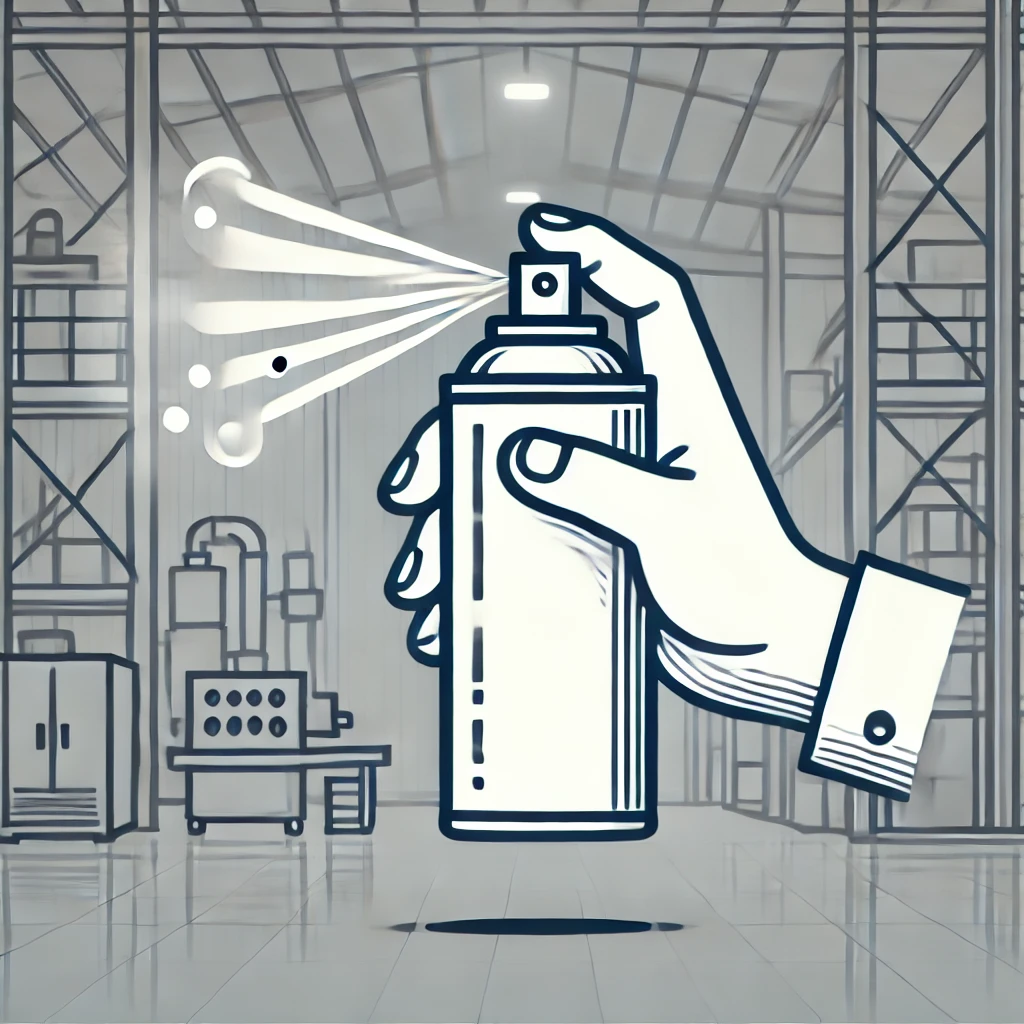
Odor masking is one of the most widely used methods for managing malodors across industries, from personal care to large-scale manufacturing. It works by balancing unpleasant smells with pleasant, carefully selected fragrance compounds that improve air perception and reduce odor complaints.
Odor Masking in Personal Care and Consumer Products
In personal care formulations and everyday consumer goods, odor masking enhances the sensory profile of products such as paints, coatings, cleaners, and air fresheners. It doesn’t just “cover” unpleasant smells, it replaces them with clean, refreshing scents that shape user perception and improve overall satisfaction.
This principle applies across many product categories:
- Paints & Coatings: Mask residual solvent or resin odors.
- Personal Care: Improve scent profile in deodorants or lotions with actives that neutralize base odors.
- Household Products: Add freshness to cleaners, sprays, and detergents where full odor removal isn’t possible.
Odor Masking in Industrial and Environmental Settings
In industrial applications, masking takes on a more complex role. Facilities such as waste management centers, coating plants, and large warehouses rely on automated misting or vapor systems to distribute odor-masking compounds. These fragrances interact with airborne molecules, diluting and balancing strong chemical or organic smells to make environments more tolerable and compliant with local air quality standards.
Industrial odor masking can help:
- Reduce odor-related complaints from nearby communities
- Create a more acceptable work environment for employees
- Improve public perception of manufacturing or waste-handling facilities
The Practical Advantage: When Full Odor Elimination Isn’t Possible
In many scenarios, complete odor removal through neutralization isn’t practical, either due to chemical limitations or cost. That’s where odor masking delivers real value: an immediate sensory improvement that helps manage perception while maintaining efficiency.
For both personal and industrial applications, strategic use of odor masking enables manufacturers to deliver cleaner, more appealing products and environments, without altering performance or compliance standards.
Odor Masking vs. Source Removal
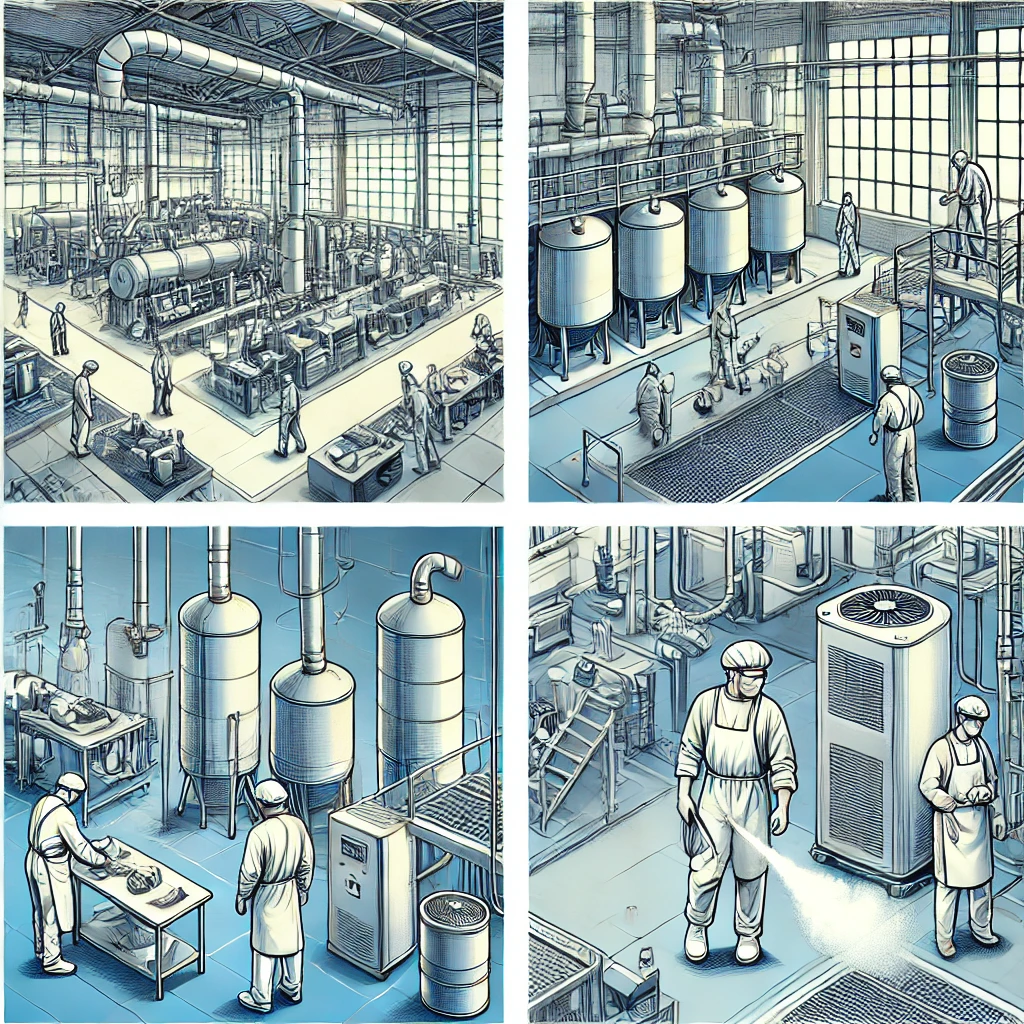
Odor masking is a valuable strategy for immediate odor relief, but it’s not always a complete solution. Understanding its limits helps determine when masking is sufficient and when odor neutralization or source removal is necessary.
When to Use Odor Masking vs. Odor Neutralization
Choosing between odor masking and odor neutralization depends on the source, intensity, and persistence of the malodor. Each method offers unique advantages based on your operational and product goals.
Odor masking is ideal for temporary or mild odors, such as residual smells from coatings, cleaning agents, or light organic processes. It provides immediate sensory improvement, helping enhance the perception of cleanliness and product quality without altering formulation chemistry.
Use masking when:
- Odors are intermittent or short-term
- The source cannot be fully removed
- Fragrance enhancement supports your product experience
However, for persistent, high-intensity malodors, such as those produced by sewage, ammonia, sulfur compounds, or combustion processes, odor masking alone may not suffice. In these cases, odor neutralizers or source removal are more effective and provide long-lasting results.
Odor neutralizers chemically react with odor molecules to neutralize malodor intensity, offering durable odor control even in challenging environments. At Andrea Aromatics, our experts can help assess your specific malodor challenges and recommend whether masking, neutralization, or a hybrid approach will deliver the most effective balance of performance, cost, and longevity.
The Limitations of Odor Masking
While effective for moderate malodors, masking does not remove the actual odor source. Its impact may be short-lived, especially in environments with continuous emissions or strong chemical activity. Maintaining results often requires repeated application or system recharging.
Additionally, masking depends on high-impact fragrances to overpower unpleasant smells. If the concentration is too strong, it can cause scent fatigue or become overwhelming for workers or customers.
When to Consider Source Removal or Odor Neutralization
For persistent, high-intensity odors, such as those from sewage, ammonia, sulfur compounds, or combustion, odor neutralizers and source removal are more effective. Neutralizers chemically react with odor molecules to eliminate malodor intensity, providing a longer-lasting and more stable result.
At Andrea Aromatics, our team can help evaluate your malodor challenges and recommend whether masking, neutralization, or a hybrid approach will deliver the best balance of performance, cost, and longevity.
How an Odor Neutralizer Works: Changing Molecules, Not Just Covering Smells
Odor neutralization goes beyond masking, it chemically alters odor molecules to eliminate their unpleasant characteristics at the source. Where masking introduces a pleasant scent to balance perception, odor neutralizers modify or bind to malodor molecules, rendering them undetectable. Neutralizers achieve this through several mechanisms:
- Chemical reaction: Breaking down odor compounds such as sulfur or amines.
- Binding or encapsulation: Attaching to odor molecules to block scent detection.
- Absorption: Trapping volatile organic compounds in carrier systems.
This method provides long-lasting odor control and is ideal for industrial or high-load applications, where masking alone may not be sufficient. Applications include:
- Cleaning and sanitizing agents
- Air purification and misting systems
- Waste treatment and processing facilities
- Manufacturing environments and coatings
At Andrea Aromatics, we help identify the source of malodors and match them with the most effective neutralizer, ensuring your products and environments stay clean, compliant, and odor-free.
Zinc Ricinolate: A Long-Lasting, Fragrance-Free Odor Neutralizer for Any Environment
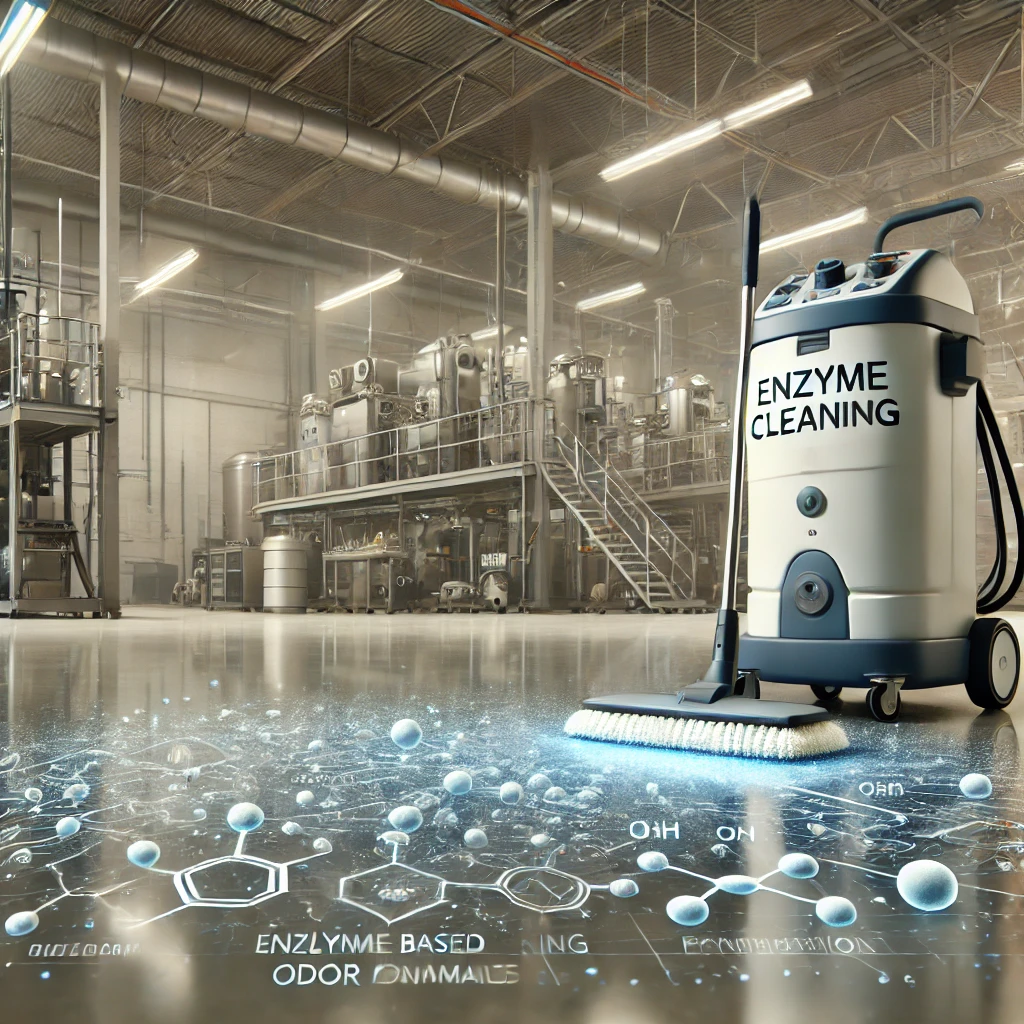
Zinc Ricinolate is one of the most effective ingredients for modern odor control. Derived from castor oil and zinc, it captures and traps odor molecules, instead of covering them, through a natural absorption and binding mechanism.
Once trapped, these odor molecules can no longer emit their scent, resulting in a fragrance-free, long-lasting freshness. Zinc Ricinolate is highly stable, skin-safe, and compatible with both industrial and personal care formulations.
This makes it ideal for:
- Industrial cleaning solutions
- Waste management and air care systems
- Personal care products requiring non-fragranced odor control
By incorporating Zinc Ricinolate into your formulations, you can deliver powerful, non-perfumed odor elimination that complements or replaces traditional masking systems.
Odor Control Essentials: Combining Neutralizers and Masking for Lasting Results
The most effective odor management strategies often use both masking and neutralization. While masking offers immediate sensory relief, neutralizers provide long-term odor elimination at the molecular level.
Together, they create a balanced solution for environments or products with continuous odor generation, from industrial coatings and cleaners to waste processing facilities and consumer formulations.
At Andrea Aromatics, our extensive library of odor masking agents and odor neutralizers allows us to customize systems that meet your exact performance, safety, and regulatory requirements.

FAQ
Odor masking uses fragrance compounds to cover or balance unpleasant odors, improving the sensory profile of a product.
Odor neutralization, on the other hand, involves active ingredients that chemically react with or absorb malodor molecules, eliminating them at the source.
When used together, these systems create a more effective and stable odor control solution for industrial and consumer applications.
Odor neutralizers act at a molecular level, bonding with or transforming volatile odor-causing compounds into non-odorous forms. Common neutralizers like zinc ricinoleate and proprietary absorbent blends are especially effective in products exposed to strong or persistent malodors, such as cleaning agents, waste treatment products, and air care systems.
Yes. Combining odor masking agents with odor neutralizers offers both immediate sensory improvement and long-term odor elimination. This dual-action approach is ideal for industrial cleaners, fabric treatments, and air care formulations, where both performance and user perception are critical.
Our odor control technologies can be integrated into:
- Household and industrial cleaning formulations.
- Air fresheners and odor-absorbing gels.
- Waste treatment and sanitation products.
- Personal care and cosmetic applications using odor masking agents.
Yes. We offer liquid odor control systems that are compatible with both water- and solvent-based formulations. Our R&D team provides guidance on dosage levels, pH tolerance, and integration to ensure optimal performance without affecting product stability or appearance.
All odor control compounds, including zinc ricinoleate and other actives, comply with IFRA, EPA, and applicable regional safety standards. We also provide Technical Data Sheets (TDS) and Safety Data Sheets (SDS) upon request to support regulatory documentation.
Absolutely. Our team specializes in creating custom odor elimination systems tailored to specific odor challenges, such as ammonia, sulfur compounds, smoke, or organic waste. We collaborate with manufacturers to test and validate performance under real production conditions.
Partner with Andrea Aromatics for Advanced Odor Control Solutions
Contact our specialists to discuss custom odor masking and neutralizer solutions for your product line.